
VMware tools
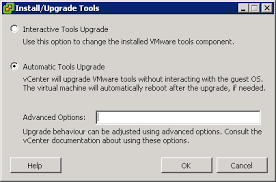
Often I come over VMs that do not have VMware tools installed. I can only imagine that this is because the owners of the systems do not understand how integral the tools are for running a virtualized environment. VMware Tools…
Often I come over VMs that do not have VMware tools installed. I can only imagine that this is because the owners of the systems do not understand how integral the tools are for running a virtualized environment. VMware Tools…
E1000E, VMXNET3, and SR-IOV passthrough—are different network interfaces available in VMware virtualization technology. Here’s a brief explanation of each: E1000E Advantages of E1000E: Disadvantages of E1000E: VMXNET3 Advantages of VMXNET3: Disadvantages of VMXNET3: SR-IOV Advantages of SR-IOV: Disadvantages of SR-IOV:…
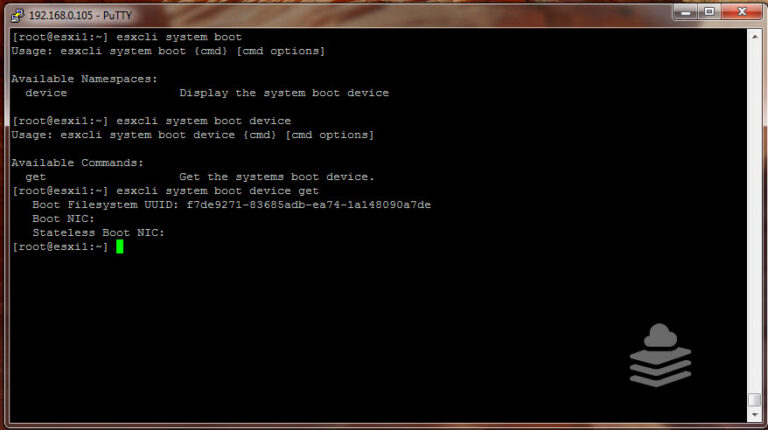
What is Stateless Stateless ESXi refers to a VMware ESXi configuration, a popular hypervisor used for virtualization. The ESXi host operates without a local disk or persistent storage in a stateless ESXi configuration. Instead, it boots over the network using…
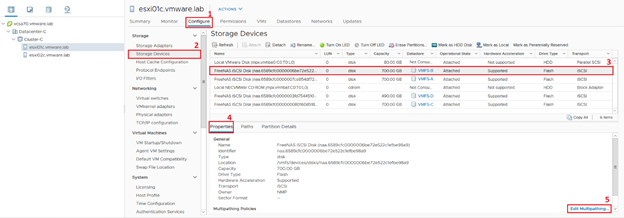
In VMware vSphere, the “All Paths Down” (APD) condition refers to a situation where the storage device becomes temporarily inaccessible to the ESXi hosts. This can occur due to various reasons, such as storage system failure, connectivity issues, or misconfigurations.…
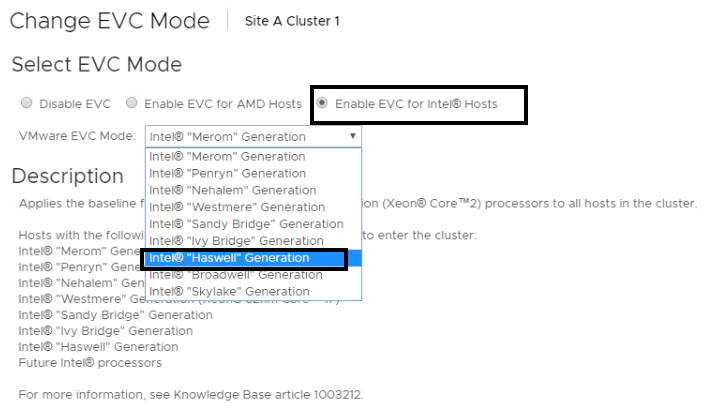
VMware EVC (Enhanced vMotion Compatibility) is a feature of VMware vSphere that ensures compatibility between hosts in a cluster when the hosts have different CPU generations or vendor architectures. EVC presents a consistent set of CPU features to all virtual…
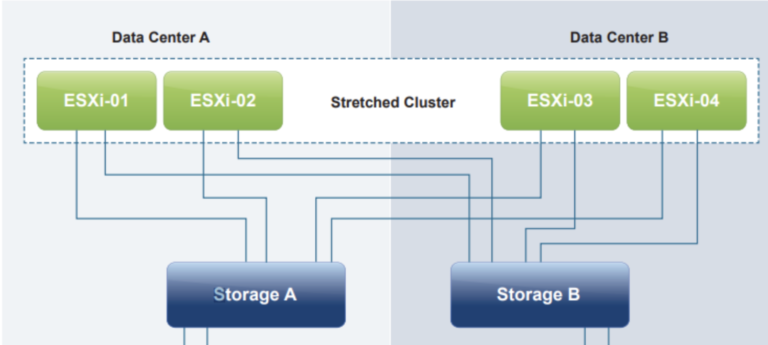
In previous articles, I have looked at the difference between Disaster Avoidance and Disaster Recovery and Design considerations for Disaster avoidant infrastructure. This article will look at a solution that can be the best choice if a high level of…
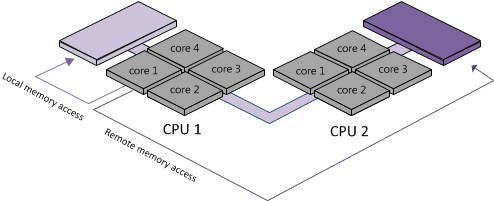
As a VMware Architect, I must understand how my recommended infrastructure performs. As a VMware Systems Engineer, I need to know how the platform performs and which changes I can make to ensure the VMs perform better. One of the…
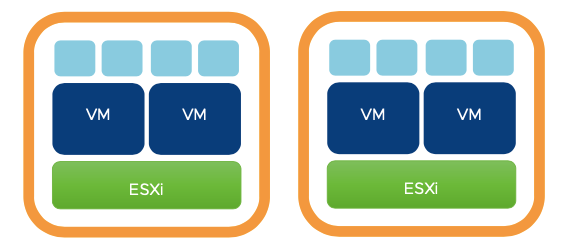
In vSphere 6.7 VMware introduced CPU Scheduler options that allows the Administrators to secure against CPU exploits by defining how the VM access the CPU. These CPU Schedulers have different impact on performance. This article shows why and how they work.