
Memory tiering in vSphere
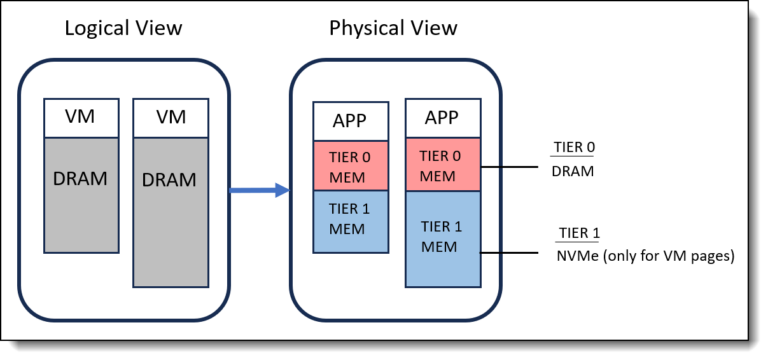
Extreme Performance Series 2026: Advanced NVMe Memory Tiering VCF 9 Memory tiering with NVMe drives – really useful these times where RAM is really expensive
Extreme Performance Series 2026: Advanced NVMe Memory Tiering VCF 9 Memory tiering with NVMe drives – really useful these times where RAM is really expensive
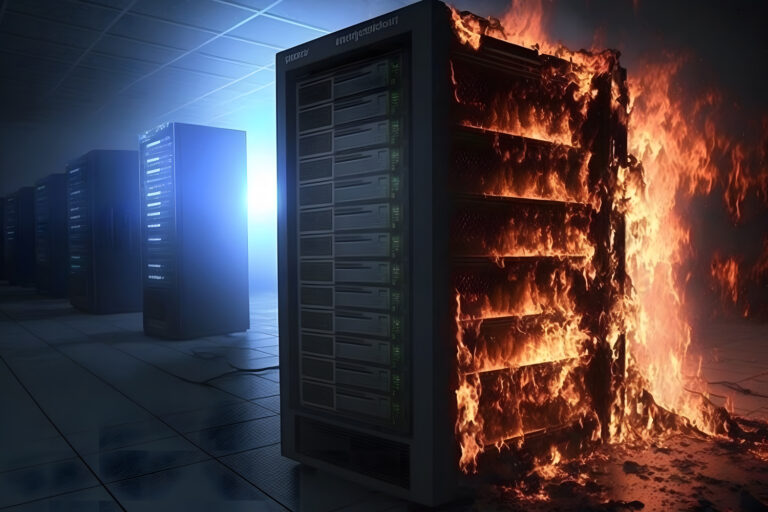
What is a stretched cluster A vSAN stretched cluster is a deployment model where a single vSAN cluster is extended across two geographically separated data centers, with a third site hosting the Witness Appliance. This architecture provides site‑level resilience by synchronously mirroring data between two active…
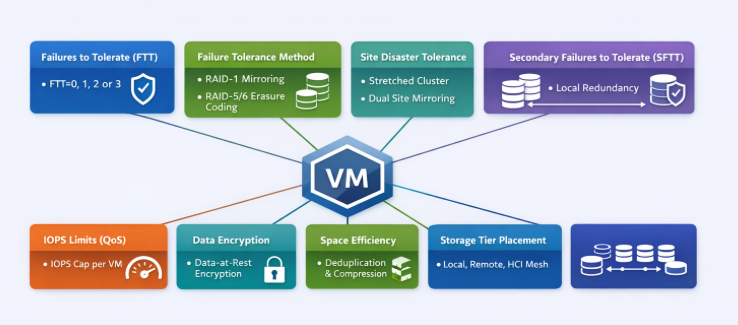
Storage Policy–Based Management (SPBM) is the backbone of how VMware vSAN delivers predictable, workload‑aligned outcomes. Instead of carving LUNs or managing fixed RAID groups the old-fashioned way, policies define the storage behavior of each VM and each VMDK—granular, dynamic, and…
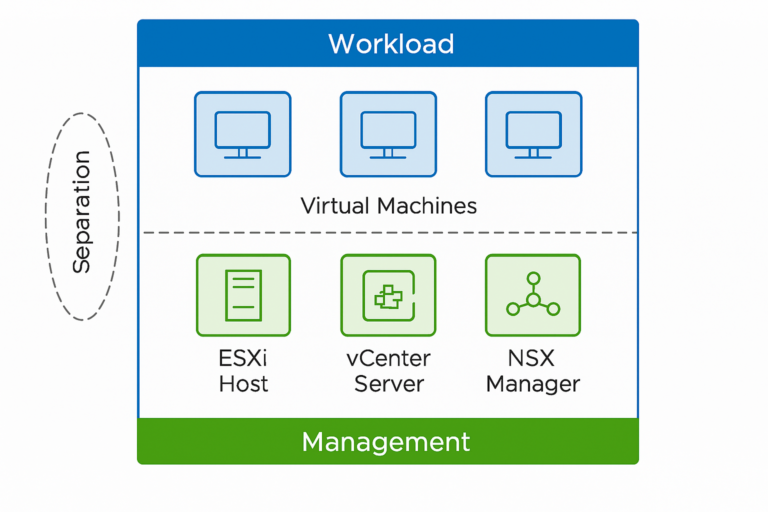
As virtualization continues to mature and hybrid cloud models become the norm, one architectural principle consistently proves itself essential for both resilience and security: the separation of workload and management. In VMware environments—whether traditional vSphere, VMware Cloud Foundation (VCF), or hybrid…
Creating a Zero Trust Architecture (ZTA) in a VMware-based brownfield environment is not about installing a single product — it’s a strategic, multi-layer redesign of trust boundaries across users, workloads, networks, and data. Below is a comprehensive roadmap and reference…
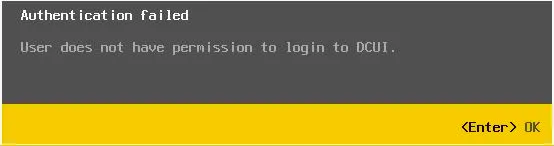
ESXi Lockdown Mode is a security feature in VMware ESXi that restricts direct access to the ESXi host, allowing access only through vCenter Server. This feature is designed to enhance security by preventing unauthorized users from modifying the ESXi host…
I have been awarded membership in the VMware vExpert Special Honors Subprogram “vExpert Security” for my contribution to sharing knowledge of VMware Security topics through this blog. Thank you to the VMware Community for this recognition and for encouraging us…
Encrypting data drives makes sense on a laptop. If you turn it off and it gets lost, a key has to be provided to decrypt the data on the drives to make it readable. But what about the disks of…